Quick Answer
A Hazy IPA is an intentionally unfiltered, low-bitterness beer characterized by a soft, silky mouthfeel and intense tropical fruit aromatics. You should choose this style when you want a juice-like experience rather than the sharp, resinous punch of a traditional West Coast IPA.
- Look for high protein adjuncts like oats or wheat on the label for better texture.
- Prioritize freshness; these beers lose their delicate hop aromatics within 60 days.
- Avoid beers with visible sediment chunks; a proper haze should be uniform and milky.
Editor’s Note — Priya Nair, Features Editor:
I firmly believe that the Hazy IPA saved craft beer from becoming a playground for gatekeepers who only valued palate-wrecking bitterness. In my years covering global beer trends, I’ve seen many styles come and go, but the Hazy IPA’s focus on mouthfeel and aromatics has permanently shifted how we experience hops. What most people miss is that this style requires immense precision; it isn’t just “lazy brewing.” Daniel Frost brings something special here because he understands the complex chemistry of hop oils and protein matrices better than anyone I know. Go find a local brewery’s freshest hazy release and drink it immediately.
The First Sip: More Than Just Cloudy Water
You’re standing at the bar. The bartender hands you a glass that looks less like beer and more like a pint of pineapple juice. There’s no sharp, piney scent hitting your nose; instead, you’re greeted by a wave of overripe mango, tangerine zest, and a subtle, pillowy sweetness. This isn’t the IPA your father drank. It’s the Hazy IPA, and its dominance in modern taprooms isn’t just a trend—it’s a fundamental change in how we define hop-forward beer.
A Hazy IPA is an engineering feat of texture and aroma. If you want to understand the modern beer lover’s palate, you have to stop chasing bitterness and start chasing the “juice.” The defining characteristic here is the intentional suspension of hop oils and proteins. It’s a deliberate, calculated move by the brewer to trade the sharp, drying bite of a traditional West Coast IPA for a soft, round, and deeply aromatic experience. If you’re still waiting for that aggressive, palate-clearing finish, you’re looking in the wrong place.
The Anatomy of the Haze
Why is it cloudy? It’s not because the brewer forgot to filter the beer. According to the Brewers Association, the “haze” in these beers—often referred to as New England IPAs or NEIPAs—is a result of a sophisticated interplay between grain selection and hop-derived polyphenols. By incorporating a significant percentage of flaked oats or wheat into the mash, brewers create a protein-rich environment. This protein matrix acts as a stabilizer, locking in the essential oils from the hops that would otherwise dissipate or drop out of solution.
This is where the science gets interesting. When you add heavy doses of hops during the fermentation process—a technique known as bio-transformation—the yeast interacts with the hop compounds to create new, fruity esters. This isn’t just throwing hops at a tank; it’s a delicate dance. If the brewer gets the timing wrong, you end up with a muddy, vegetal mess. When they get it right, as seen in legendary examples like Tree House’s “Julius,” the beer drinks like a liquid orchard.
Hop Timing: The Anti-Bitterness Strategy
In the world of traditional IPAs, the boil is everything. You boil hops for sixty minutes, you get bitterness. It’s a simple rule. With a Hazy IPA, the rulebook gets tossed out the window. Most of the hop additions happen during the whirlpool phase or during active fermentation. By keeping the temperatures lower, the brewer preserves the volatile aromatic oils—myrcene, linalool, and geraniol—that provide those vibrant citrus and tropical notes.
The BJCP guidelines categorize these beers under the “Specialty IPA” umbrella, noting the distinct lack of astringency. You’ll notice that a good hazy IPA feels heavy on the tongue. That’s the oats doing the heavy lifting. They provide a creamy, silky mouthfeel that coats the palate. It’s a luxurious, saturated experience that makes you want to take another sip immediately. If your beer feels thin or watery, the brewer missed the mark on their grist composition.
Navigating the Variations
Not all hazy beers are created equal. You’ll see terms like “Milkshake IPA” or “Double Hazy” thrown around, and it’s helpful to know what that actually implies for your glass. A Milkshake IPA typically incorporates lactose—an unfermentable sugar—which adds an extra layer of body and sweetness, making the beer hover somewhere between a fruit smoothie and an ale. It’s polarizing, but it’s a logical extension of the style’s obsession with texture.
Then there are the “Double” or “Triple” variations. These ramp up the grain bill and the hopping rate to reach higher ABV levels, often into the 8% to 10% range. While this can lead to more intense fruit flavors, it also carries the risk of the beer becoming “boozy” or overly sweet if the brewer isn’t careful. For my money, the sweet spot for a Hazy IPA remains between 6% and 7%. It’s enough to carry the complex hop profile without the alcohol becoming a distraction from the aromatics.
How to Drink Like an Expert
The most important rule for the Hazy IPA drinker is simple: drink it fresh. Unlike a classic Pale Ale that might hold up for a few months, a Hazy IPA has a very short shelf life. Those delicate hop oils are highly susceptible to oxidation. Once oxygen gets into the can or keg, the bright, juicy notes start to fade, replaced by a dull, cardboard-like flavor. If you find a hazy IPA that’s more than three months old, leave it on the shelf. You’re paying for the peak of the hop oil, and that peak is fleeting.
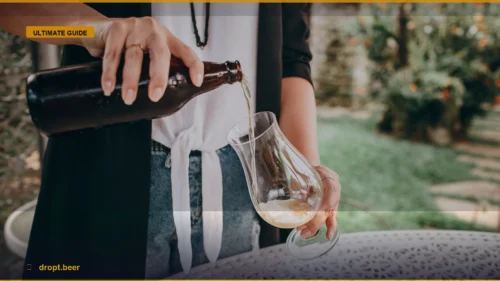
When you sit down with a fresh pour, take a moment. Don’t just gulp it down. The aromatics are the main event. Swirl the glass, smell the citrus, and pay attention to how the beer clings to the glass—that’s the protein doing its job. If you’re looking to sharpen your palate, compare a hazy IPA side-by-side with a traditional West Coast IPA. The contrast in the finish is the best way to understand why the craft world fell in love with the haze. Keep reading dropt.beer for more deep dives into the science behind your favorite pours, and never settle for a stale IPA.
Frequently Asked Questions
Why does my Hazy IPA taste like cardboard?
That cardboard flavor is a tell-tale sign of oxidation. Because Hazy IPAs contain high amounts of protein and unsaturated hop oils, they are incredibly sensitive to oxygen. Once oxygen enters the packaging, the fresh fruit aromatics degrade rapidly. Always check the canning date before purchasing; if the beer is more than two months old, it has likely lost its intended profile.
Is a Hazy IPA healthier than a regular beer?
No. Hazy IPAs are often higher in calories than traditional lagers or standard IPAs due to the increased grain bill (oats and wheat) and the potential for higher residual sugar content. If you are watching your caloric intake, check the ABV and serving size, but don’t assume the “juice” profile makes it a lighter or healthier choice.
Can I age a Hazy IPA?
Absolutely not. Unlike strong stouts or sour beers that benefit from cellar time, Hazy IPAs are designed to be consumed as fresh as possible. Aging them will destroy the delicate hop aromatics and lead to rapid oxidation. Treat your Hazy IPAs like fresh produce—keep them cold, drink them fast, and enjoy them while the hop character is at its peak.
What is biotransformation in beer?
Biotransformation occurs when yeast cells interact with hop compounds during active fermentation. The yeast enzymes break down and rearrange certain hop oils, creating new flavor compounds that wouldn’t exist if you added the hops after fermentation. This process is responsible for the unique, complex “juicy” notes that define high-quality Hazy IPAs, distinguishing them from beers that only rely on late-boil hop additions.